The last confirmed case of the record-breaking measles outbreak has been reported—no new infections for over 42 days. The chain of transmission is broken. But the aftermath lingers in clinics, schools, and policy rooms across the country, where a quiet but powerful shift is taking place: people are getting vaccinated.
For months, headlines warned of rising case counts, overwhelmed clinics, and quarantined classrooms. The outbreak, the largest the U.S. had seen in over two decades, spread across multiple states, rooted in pockets of vaccine hesitancy and misinformation. But as the outbreak faded, something unexpected happened—vaccination rates climbed sharply, particularly in areas hardest hit by the virus.
This wasn't just a return to baseline. It was a pivot, driven by lived experience, fear, and a renewed trust in science. The outbreak, in its devastation, may have become one of the most effective public health campaigns in recent memory.
How the Outbreak Unfolded
The outbreak began quietly—first a case in a densely populated urban center, then another in a rural community with low immunization rates. Within weeks, clusters formed. Airports became vectors. Unvaccinated children, international travelers, and under-immunized adults created a perfect storm.
By the peak, over 1,200 cases were confirmed in 31 states. Schools shut down. Emergency declarations were issued. Hospitals rerouted non-urgent care to manage isolation units. The CDC traced infections back to a single index case linked to international travel—someone who returned home unknowingly carrying the virus.
Measles is among the most contagious viruses known—each infected person can spread it to 12–18 others in a fully susceptible population. The virus lingers in the air for up to two hours. And in communities where vaccination rates had dipped below the 95% threshold needed for herd immunity, the impact was immediate and severe.
Outbreak hotspots included: - Rockland County, New York – where vaccination rates in some schools fell below 70% - Clark County, Washington – with rising anti-vaccine sentiment over the prior decade - Brooklyn, New York – tight-knit communities with vaccine misinformation networks - Detroit, Michigan – where access and distrust combined to create vulnerability
These weren’t isolated incidents. They were symptoms of a broader erosion in vaccine confidence, one that the outbreak brutally exposed.
The Turning Point: Fear Meets Fact
At first, public response was divided. Some doubled down on vaccine skepticism, citing personal freedom or distrust in pharmaceutical companies. But as cases climbed and children were hospitalized, the narrative shifted.
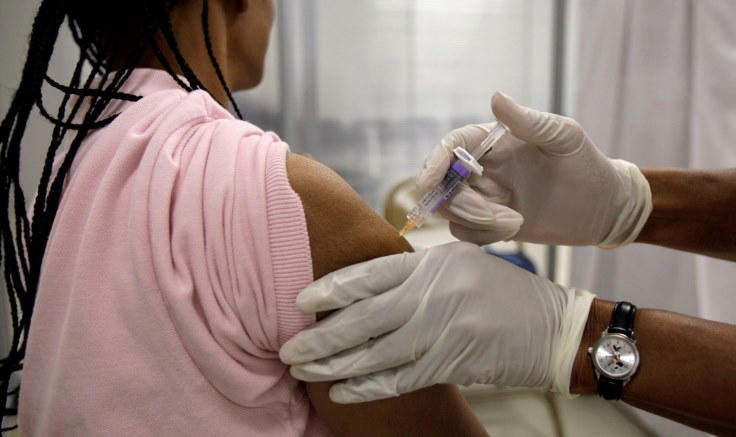
Parents who once delayed vaccination began calling pediatricians. Local clinics reported appointment waitlists stretching weeks. School districts in outbreak zones launched emergency immunization drives. In Rockland County, vaccination rates among kindergarteners jumped from 88% to 94% in just six months.
The change wasn't just emotional—it was behavioral. Data from the CDC and state health departments show a marked increase in MMR (measles, mumps, rubella) vaccine administration: - A 27% rise in MMR doses in affected counties between outbreak peak and resolution - 18% increase in first-time adult vaccination screenings at primary care clinics - Over 400,000 additional childhood vaccinations administered in the six months post-outbreak
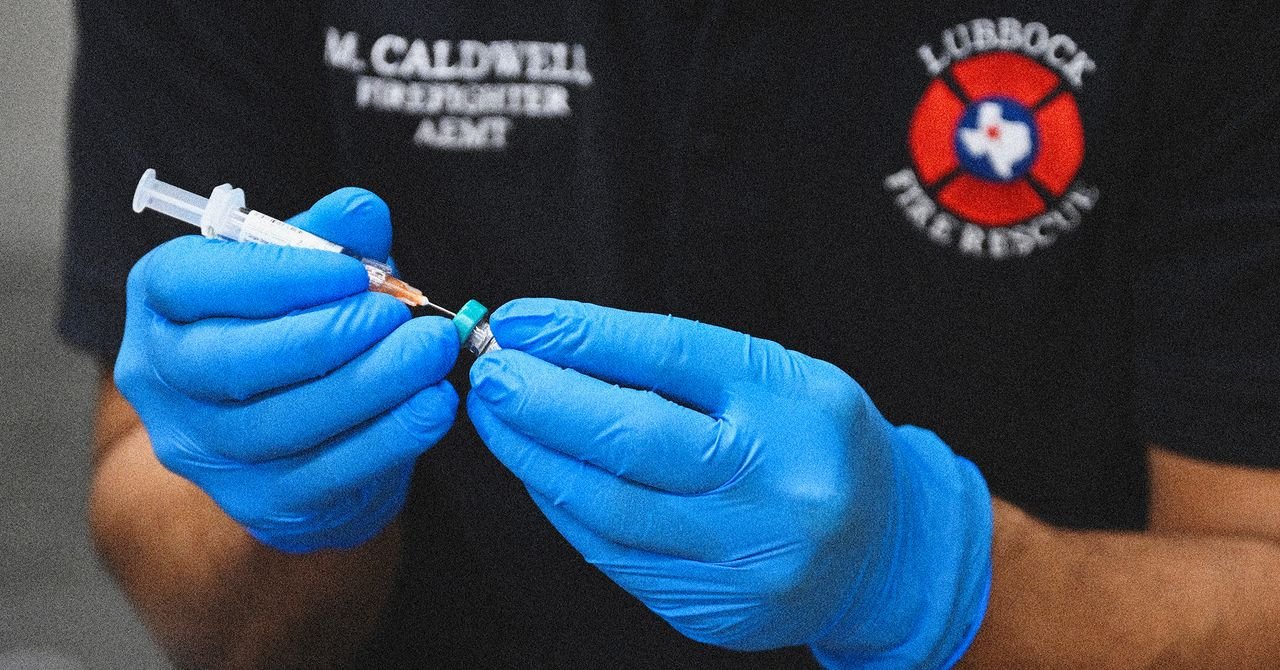
One pediatric practice in Seattle reported administering 1,200 MMR boosters in a single month—triple their usual volume. "We’ve never seen parents this motivated," said Dr. Lena Choi, a family physician. "They didn’t need a lecture. They saw a child in the ICU on the news. That changed everything."
Why This Outbreak Changed Minds
Past measles scares rarely produced lasting change. But this outbreak was different. Three key factors drove the vaccination surge:
1. Visibility of Consequences For years, measles was abstract—a disease from history books. But this time, it had faces. Local news covered hospitalized children. Social media circulated photos of quarantined classrooms. The threat became real, personal, and immediate.
2. Trusted Messengers Stepped Up Doctors, school nurses, and even faith leaders became vocal advocates. In Orthodox Jewish communities in Brooklyn—where misinformation had spread rapidly—rabbis issued public letters urging vaccination. Clinics partnered with community leaders to host pop-up vaccination events, removing logistical and cultural barriers.
3. Policy Response Followed Fast Several states moved quickly to tighten vaccine exemptions: - New York revoked religious exemptions for school vaccinations - Maine and Washington eliminated non-medical exemptions - California reinforced enforcement of existing mandates
These weren’t symbolic moves. They signaled that the status quo was no longer acceptable—and that public health would be prioritized over misinformation.
The Role of Misinformation—and How It Was Countered
Long before the outbreak, anti-vaccine content had flourished online. Facebook groups, YouTube videos, and encrypted messaging apps spread false claims linking the MMR vaccine to autism, despite decades of scientific refutation.
During the outbreak, health departments and tech platforms took coordinated action: - Facebook reduced the reach of anti-vaccine groups and labeled misleading content - Google prioritized authoritative sources in search results for “measles vaccine” - The CDC launched a rapid-response digital campaign with shareable infographics and myth-busting videos
One campaign, “This Is What Measles Looks Like,” featured real patient photos and survivor testimonials. It was shared over 2 million times on social media and credited with shifting attitudes among hesitant parents.
Still, misinformation didn’t vanish. Clinics reported parents arriving with printed “evidence” from dubious websites. The challenge wasn’t just access to information—it was trust.
Limitations and Lingering Risks
Despite the progress, challenges remain. The vaccination surge was strongest in outbreak zones. In areas untouched by measles, complacency lingers. Some rural counties still report kindergarten vaccination rates below 90%.
Additionally: - Vaccine access isn’t equal—underserved communities face transportation, language, and healthcare access barriers - Booster rates for adults remain low—many don’t realize they may need a second MMR dose - International travel continues to pose a risk—measles is still widespread in parts of Europe, Asia, and Africa
One recent case in Texas was linked to a traveler from India, where measles is endemic. Without sustained vigilance, another outbreak is possible.
Public health experts warn against declaring victory too soon. “Herd immunity isn’t a finish line,” said Dr. Marcus Bell, an epidemiologist at Emory University. “It’s a maintenance job. We can’t rely on fear to keep us safe. We need education, access, and trust built into the system.”
What This Means for the Future of Vaccine Confidence
The outbreak may have been a crisis—but it was also a catalyst. For the first time in years, vaccine conversations shifted from debate to action. Doctors reported fewer arguments and more questions. Parents weren’t resisting—they were seeking information.
Schools have become part of the solution. Many now require vaccine verification during enrollment, with automated reminders for upcoming doses. Some districts have introduced age-appropriate health literacy programs, teaching children about immunity and disease prevention.
Employers are responding too. Companies with international travel teams now mandate MMR documentation. Universities are tightening entry requirements. Public health departments are piloting mobile clinics in vaccine deserts.
The long-term goal? Make vaccination not a reaction to fear, but a routine part of health—like seatbelts or smoke detectors.
Practical Steps for Sustained Protection
To maintain momentum and prevent future outbreaks, individuals and communities can take concrete steps:
For Parents: - Verify your child’s MMR schedule: first dose at 12–15 months, second at 4–6 years - Ask about titers if unsure of your own immunity - Talk to your pediatrician about international travel plans
For Communities: - Host vaccination drives in schools, places of worship, or community centers - Partner with local clinics to offer free or low-cost MMR shots - Counter misinformation with facts—use CDC, WHO, and AAP as trusted sources
For Health Providers: - Proactively screen adults for immunity, especially those born between 1963 and 1981 (when some received ineffective vaccines) - Use patient visits to discuss vaccination, not just treat illness - Report cases promptly to public health authorities
For Policymakers: - Protect and fund public health infrastructure - Support science-based vaccine mandates - Invest in health communication that reaches diverse populations
The End—And the Beginning
The outbreak is over. The emergency declarations have been lifted. But the lessons remain.
Fear drove the initial surge in vaccinations. But lasting protection won’t come from panic—it will come from preparedness. From systems that make vaccination easy, trusted, and routine. From communities that value science not just when disease strikes, but every day.
The spike in vaccination rates proves something powerful: people want to protect their families. They respond when the risk is clear and the solution is accessible. Now, the task is to keep that momentum alive—not with alarms, but with action.
Get informed. Get vaccinated. Stay vigilant. The next outbreak isn’t inevitable—if we choose to prevent it.
Frequently Asked Questions
Why did vaccination rates increase after the outbreak? The outbreak made the dangers of measles visible and immediate, prompting many who were hesitant to vaccinate for the first time or catch up on missed doses.
Are we still at risk for another measles outbreak? Yes. As long as vaccination rates fall below 95% in any community and international travel continues, the risk remains.
Do adults need the MMR vaccine? Some do—especially those born between 1963 and 1981 who may have received an ineffective version, or those planning international travel.
How contagious is measles? Extremely. One person with measles can infect 12–18 others in an unvaccinated population, and the virus can linger in the air for up to two hours.
What’s the best way to verify immunity? A blood test (titer) can confirm immunity, but most people born before 1957 or with documented vaccination don’t need one.
Can you get measles even if vaccinated? It’s very rare. Two doses of MMR are about 97% effective. If a vaccinated person gets measles, symptoms are usually milder.
How quickly does the MMR vaccine work? Protection begins about 10–14 days after the first dose. Full protection requires two doses.
FAQ
What should you look for in Measles Outbreak Ends, U.S. Sees Surge in Vaccination Rates? Focus on relevance, practical value, and how well the solution matches real user intent.
Is Measles Outbreak Ends, U.S. Sees Surge in Vaccination Rates suitable for beginners? That depends on the workflow, but a clear step-by-step approach usually makes it easier to start.
How do you compare options around Measles Outbreak Ends, U.S. Sees Surge in Vaccination Rates? Compare features, trust signals, limitations, pricing, and ease of implementation.
What mistakes should you avoid? Avoid generic choices, weak validation, and decisions based only on marketing claims.
What is the next best step? Shortlist the most relevant options, validate them quickly, and refine from real-world results.