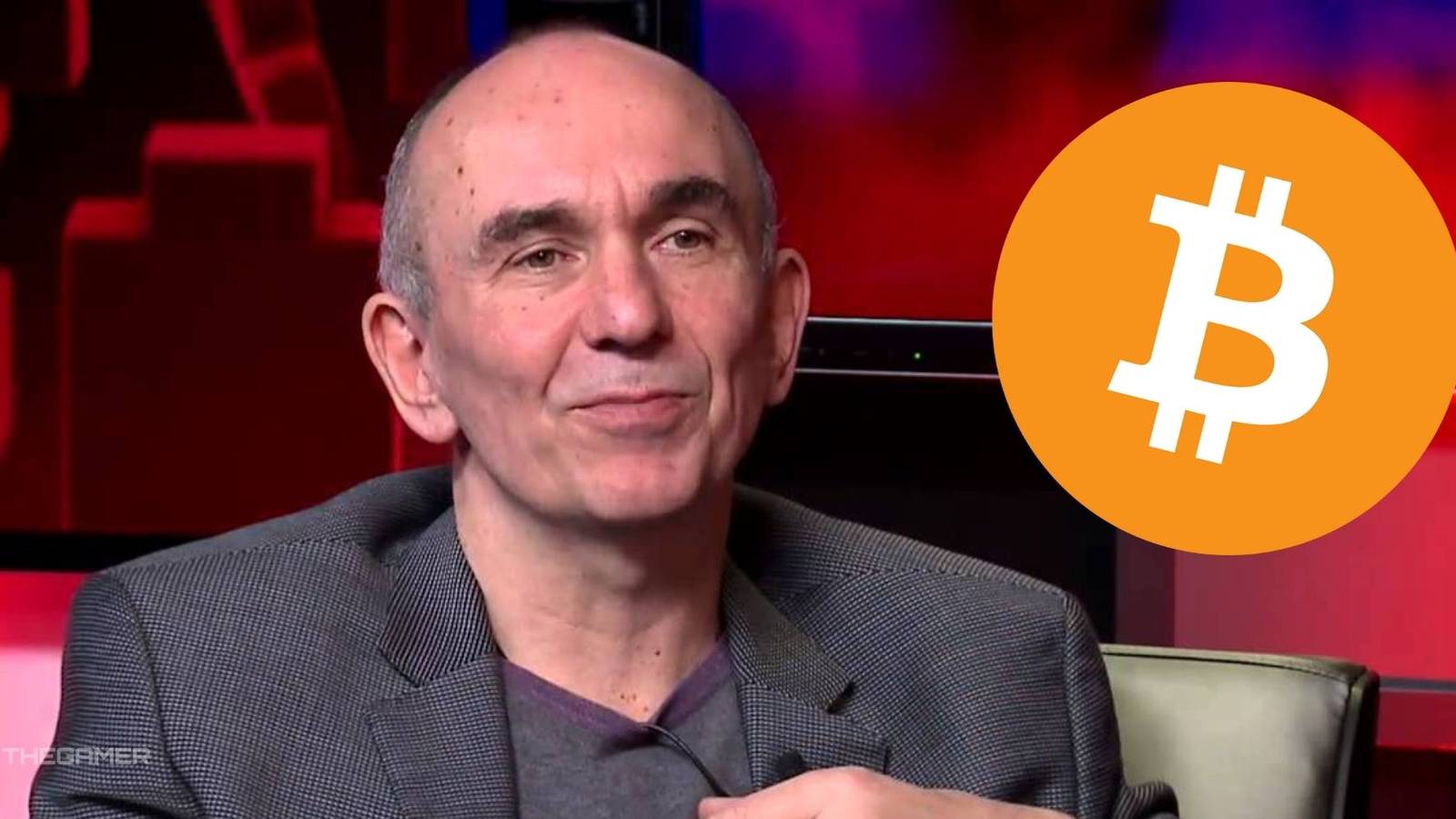
Peter Molyneux isn’t just a name in gaming—he’s a myth. The mastermind behind Populous, Dungeon Keeper, and Fable built a career on visionary ideas and grand promises. But behind the charisma and TED Talks lies a trail of disillusioned players: not gamers, but the real people who lost money, careers, and trust betting on his failing legacy.
This isn’t about bad game reviews. This is about real financial and emotional fallout from projects that promised revolution but delivered little more than broken code and broken trust.
The Cult of the Visionary and the Cost of Belief
Molyneux’s reputation was forged in the golden age of PC gaming. His name became synonymous with innovation. When he left Microsoft and Lionhead Studios in 2012, the industry didn’t mourn—he was reborn as a digital prophet. Crowdfunding was booming. Kickstarter offered a direct line from visionaries to backers. And Molyneux? He had 20 years of credibility to spend.
That’s exactly what he did with Godus, a god game pitched as the spiritual successor to Populous. The 2012 Kickstarter raised $874,089 from 15,579 backers. The pitch video showed a dynamic world, player-driven evolution, multiplayer deities, even an “afterlife” system. It looked like the future.
But the people who funded Godus weren’t just buying a game. They were buying into a narrative: the genius unshackled from corporate control, finally free to build his magnum opus.
They paid for a dream. What they got was a buggy, stripped-down sandbox that never reached feature parity with the demo.
Who Were These Backers?
Early Kickstarter backers often fall into three categories: - Fans – Die-hard Molyneux loyalists who backed Fable and wanted to support his next leap. - Investors – Individuals treating crowdfunded games like micro-investments, hoping for equity-like returns via exclusive rewards. - Indie Devs – Developers watching closely, hoping Godus would pioneer new design patterns.
Many paid $100+ for “Founder” or “Visionary” tiers, receiving beta access, name listings, and even promises of future input on game design.
When Godus shipped in 2014, it was barely playable. The promised multiplayer never launched. The “world evolution” mechanic was shallow. And in 2017, 22 Entertainment—Molyneux’s new studio—quietly shut down. No refunds. No closure.
One backer, a developer from Bristol, told me: “I didn’t care about the money. I cared that someone I respected treated my trust like a disposable prototype.”
The Studio That Paid the Highest Price: 22cans and Its Team
22cans was supposed to be the future. Founded in 2012, it attracted talent from EA, Rockstar, and Lionhead. The pitch? Build the next generation of simulation games, starting with Godus.
But internal reports and anonymous ex-employees paint a troubling picture:
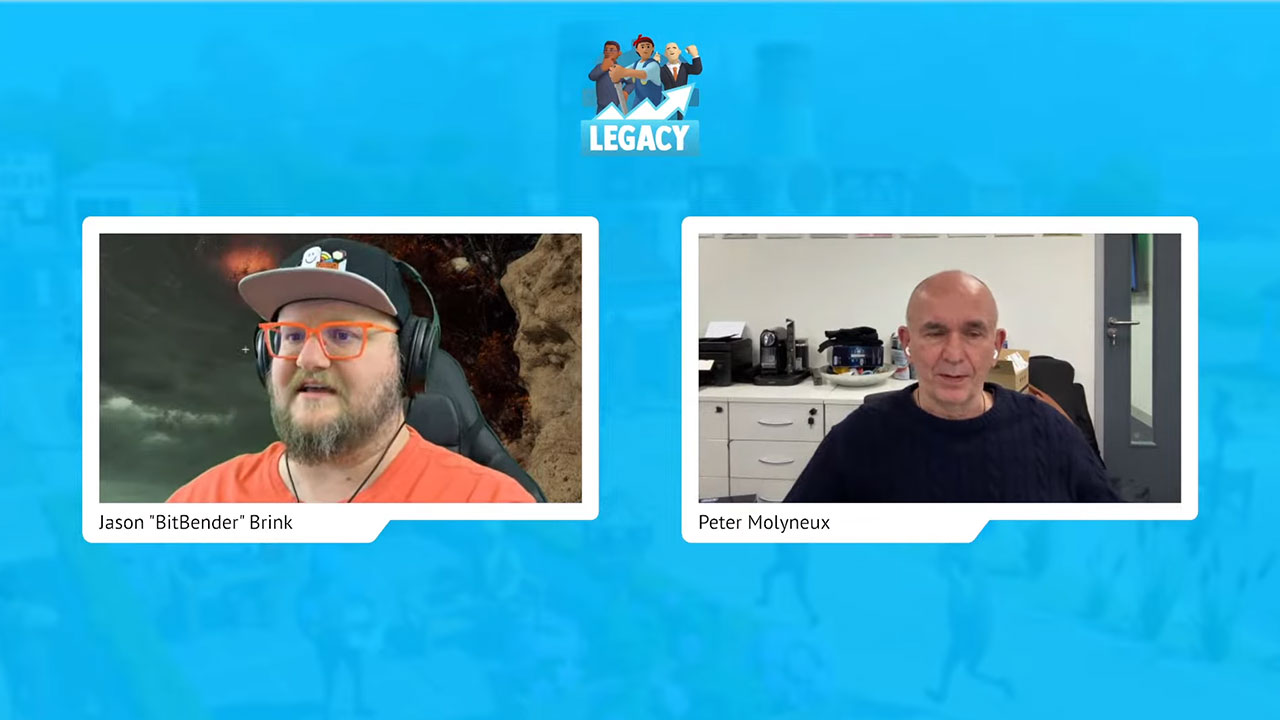
- Development was chaotic, with shifting priorities and constant rewrites.
- Molyneux remained publicly visible, giving interviews and demos, while engineers scrambled to stabilize the core.
- The team was pressured to launch early to satisfy Kickstarter timelines, not product quality.
By 2015, layoffs began. By 2017, 22cans was a skeleton crew. The studio pivoted to consulting and AR experiments, but the damage was done.
One former lead programmer, who requested anonymity, said: “We weren’t making a game. We were maintaining a crowdfunding promise. That’s not sustainable engineering.”
The human cost? Lost salaries, broken morale, and résumés now tied to a failed project. These weren’t just employees—they were believers. And their belief cost them job security, career momentum, and in some cases, relocation to Guildford for a studio that no longer exists.
The Publishers Who Walked Away with Wounds
Not all losses were direct. Some came through partnerships that soured.
Microsoft, despite Molyneux’s legacy at Lionhead, distanced itself after Fable: The Journey flopped in 2012. But even before that, internal sources say Microsoft grew wary of Molyneux’s habit of over-promising in press tours—sometimes without developer consensus.
Then came Curiosity: What’s Inside the Cube?, a viral mobile experiment where players chipped away at a digital cube for a cash prize. One player won £5,000—but Molyneux later admitted the real prize was a “lifelong experience” of meeting him. The backlash was instant.
While not a publisher per se, Microsoft’s brand took collateral damage. Gamers began associating the Xbox platform with hype-driven, underdelivered experiences—partly due to Molyneux’s unchecked media presence.
Publishers learned a quiet lesson: even legendary designers need oversight. Vision without delivery is just noise.
Fans Who Bet More Than Money
Backers aren’t just financial stakeholders. For many, Godus was a chance to be part of gaming history. Tier rewards included designing in-game monuments, naming villages, even “influencing the evolution of mankind.”
One backer, a high school teacher from Leeds, spent hours in the alpha, documenting bugs and suggesting mechanics. When the forums went quiet and updates slowed, he felt “orphaned.”
“I didn’t lose £200,” he said. “I lost a community. I lost a project I believed in.”
The psychological contract of crowdfunding—where creators and backers form a partnership—was broken. And unlike stock investors, these fans had no legal recourse.
The Ripple Effect on Crowdfunding Trust
Godus wasn’t the first crowdfunded game to underdeliver—but its failure carried extra weight because of Molyneux’s stature.
After 2014, the tone around gaming Kickstarters shifted. Journalists began asking harder questions. Backers demanded milestone reports, escrowed funds, and transparent roadmaps.
Compare Godus to Shenmue III (2015), which raised $6.3 million. The Shenmue team, led by Yu Suzuki, avoided Molyneux’s mistakes by: - Releasing regular dev logs - Setting conservative feature goals - Using publisher support (Deep Silver) for distribution
The result? A flawed but functional game that at least resembled its pitch.
Meanwhile, Godus became shorthand for “hype without follow-through.” Other studios cited it internally as a cautionary tale when structuring their own campaigns.
/cdn.vox-cdn.com/uploads/chorus_image/image/70269281/112379621.0.jpg)
Why Molyneux’s Legacy Still Divides the Industry
Not everyone sees Molyneux as a cautionary tale. Some defend him as a visionary in an industry that punishes ambition.
“He inspired a generation,” said a lead designer at a UK indie studio. “Yeah, Godus failed. But without Molyneux talking about emergent AI and emotional NPCs in the '90s, we wouldn’t have games like Detroit: Become Human.”
And it’s true: Molyneux’s sin wasn’t lack of ideas. It was lack of execution discipline.
But ideas don’t pay rent. And for the people who lost money, time, or jobs, inspiration isn’t compensation.
Even today, Molyneux’s name triggers debate. At GDC panels, developers split on whether he’s a fallen idol or a misunderstood pioneer.
The truth? He’s both.
Lessons from the Fallout: What Gamers and Creators Should Learn
If there’s one takeaway from the Godus collapse, it’s this: trust must be earned continuously—not cashed in from past success.
For Backers: - Verify roadmaps: Look for specific, time-bound milestones. - Check team track records: Past success doesn’t guarantee future delivery. - Avoid emotional pledges: Just because you love a creator doesn’t mean their project is viable.
For Developers: - Under-promise, over-deliver: Molyneux’s media interviews often outpaced development. - Involve your team in messaging: No single person should represent a studio’s output. - Plan for accountability: Regular dev updates build trust better than flashy trailers.
For Publishers: - Set boundaries: Even legends need product management. - Tie funding to deliverables: Not just vision, but verifiable progress.
The gaming industry runs on dreams. But dreams need budgets, timelines, and reality checks.
The End of an Era—And a Warning for the Next
Peter Molyneux hasn’t disappeared. He’s now working on AI-driven narrative systems, quietly experimenting outside the spotlight. And maybe, just maybe, he’s learned.
But for the players who lost big—backers who waited years for a broken game, developers who left careers behind, publishers who absorbed brand damage—the lesson is already written.
Vision without discipline is just vaporware.
And in the end, it’s not the creators who pay the price. It’s the people who believed in them.
Frequently Asked Questions
Who funded Godus? Godus was crowdfunded on Kickstarter, raising $874,089 from 15,579 backers in 2012.
Did Peter Molyneux refund Godus backers? No. Despite the game failing to deliver on most promises, no refunds were issued.
What happened to 22cans? 22cans, Molyneux’s studio, pivoted from game development after Godus’s failure and now focuses on AI and experimental tech.
Why did Godus fail? Due to overpromising, technical limitations, shifting development goals, and lack of clear delivery milestones.
Did Lionhead Studios suffer because of Molyneux? Lionhead declined after Molyneux’s departure, but internal mismanagement and Microsoft’s strategic shifts also contributed.
Is Peter Molyneux still making games? He’s no longer leading major game projects but is exploring AI storytelling tools and experimental design.
Can crowdfunded games be trusted? Some are successful, but backers should research teams, demand transparency, and avoid funding based on hype alone.
FAQ
What should you look for in The Players Who Lost Big on Peter Molyneux’s Broken Promises? Focus on relevance, practical value, and how well the solution matches real user intent.
Is The Players Who Lost Big on Peter Molyneux’s Broken Promises suitable for beginners? That depends on the workflow, but a clear step-by-step approach usually makes it easier to start.
How do you compare options around The Players Who Lost Big on Peter Molyneux’s Broken Promises? Compare features, trust signals, limitations, pricing, and ease of implementation.
What mistakes should you avoid? Avoid generic choices, weak validation, and decisions based only on marketing claims.
What is the next best step? Shortlist the most relevant options, validate them quickly, and refine from real-world results.