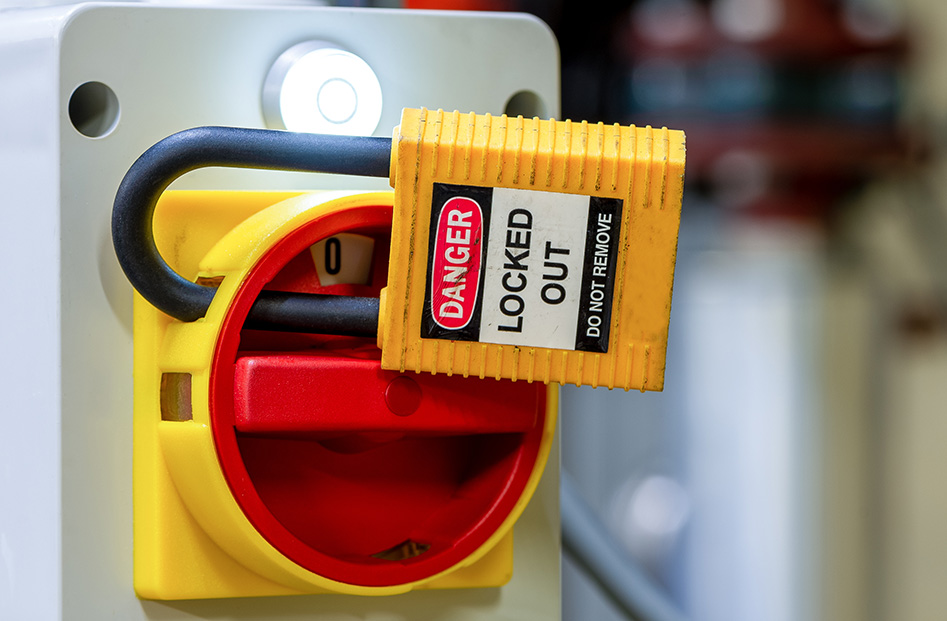
On a construction site in Ohio, a worker narrowly avoided electrocution because, just that morning, his crew lead had reviewed lockout/tagout procedures during a five-minute safety toolbox talk. No formal training session. No mandatory webinar. Just a brief, focused conversation that stuck—and saved a life.
That’s the power of safety toolbox talks: small in duration, massive in impact. These short, informal safety meetings aren’t just a box to check—they’re among the most effective tools for preventing injuries, reinforcing protocols, and building a culture where safety is everyone’s responsibility.
Too many organizations treat them as routine, even robotic—something to get through before the real work begins. But when done right, toolbox talks transform passive compliance into active awareness. They turn abstract safety policies into real-world conversations that people remember.
Let’s break down why they matter, how they work best, and what separates impactful talks from wasted time.
What Are Safety Toolbox Talks?
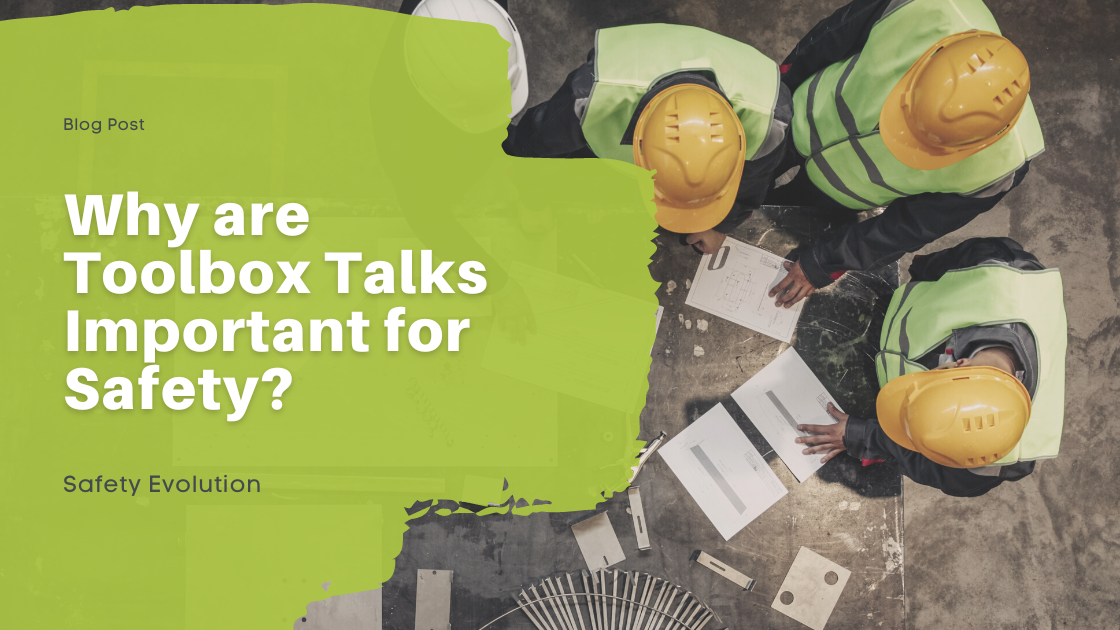
A safety toolbox talk is a short (typically 5–10 minute), informal safety meeting held at the job site before work begins. It focuses on a specific hazard, procedure, or safety concern relevant to the day’s tasks.
They’re called “toolbox” talks because they were originally held with crews gathered around the toolboxes. Today, they might happen in staging areas, break rooms, or even on mobile devices—but the intent remains the same: deliver just-in-time safety knowledge to frontline workers.
Unlike formal safety training, these talks are: - Brief: Designed to fit into tight schedules - Topical: Focused on immediate risks (e.g., working at height, chemical handling) - Interactive: Encourage questions, discussion, real-life examples - Relevant: Tied directly to current tasks and site conditions
The Real Impact: Why These Talks Prevent Accidents
Safety toolbox talks aren’t about creating the illusion of safety—they’re about changing behavior in the moment.
Consider this: According to the National Safety Council, 80% of workplace incidents are caused by unsafe behaviors, not faulty equipment or design. Many of these behaviors stem from complacency, miscommunication, or lack of situational awareness—all of which toolbox talks directly address.
How They Reduce Risk
- Reinforce memory: A brief verbal reminder makes safety procedures top of mind.
- Surface hidden hazards: Workers often spot risks supervisors miss. Open dialogue surfaces these early.
- Build accountability: When team members speak up, they’re more likely to follow through.
- Adapt to changing conditions: Weather shifts, new equipment, or schedule changes? A quick talk adjusts everyone’s awareness.
For example, a roofing crew in Texas started holding daily talks about heat stress during summer months. After three months, reported heat-related symptoms dropped by 70%. The change wasn’t due to new gear or longer breaks—but because workers were reminded daily to hydrate, take shade, and watch for dizziness in each other.
Building a Culture of Safety—One Talk at a Time
Culture isn’t built in boardrooms. It’s built in the field, during morning huddles, on walkie-talkies, and in the way people respond when someone takes a shortcut.
Toolbox talks humanize safety. They shift it from a top-down mandate to a shared value. When a crew lead asks, “What’s the biggest risk we face today?” and actually listens, it signals that every voice matters.
Over time, consistent talks do more than prevent injuries—they change norms. Workers who once ignored PPE start reminding each other. Near-misses get reported instead of ignored. Safety becomes habitual, not performative.
One manufacturing plant reported a 45% increase in safety observations after implementing weekly toolbox talk rotations—where different team members led the discussions. Empowering workers to lead wasn’t just inclusive—it made safety feel like ownership, not obligation.
Common Mistakes That Undermine Their Effectiveness
Too often, toolbox talks fail not because they’re unnecessary, but because they’re poorly executed. Avoid these pitfalls:
1. Repetition Without Relevance
Using the same generic talk every Monday (“Always wear your hard hat”) breeds disengagement. Workers tune out when the message doesn’t match their tasks.
✅ Fix: Tailor each talk. If crews are welding, discuss fire watch and ventilation. If loading trucks, focus on pinch points and forklift visibility.
2. Lack of Interaction Monologues don’t work. If the supervisor does all the talking, engagement plummets.
✅ Fix: Ask open-ended questions. “What would you do if you saw a frayed extension cord?” invites participation.
3. No Follow-Up Talking about fall protection is useless if harnesses aren’t inspected or anchor points aren’t verified.
✅ Fix: Assign quick actions—“Check your lanyard today,” or “Report damaged gloves to the lead.”
4. Inconsistent Delivery Holding talks only when auditors are expected sends the message that safety is for show.
✅ Fix: Make them routine—same time, same place, every workday. Consistency builds habit.
How to Run an Effective Toolbox Talk
Great talks follow a simple but intentional structure. Use this framework:
1. Start with a Real Incident (30 seconds) Open with a story—a near-miss, a news item, or a past incident from your site. Example: “Last week in Idaho, a worker fell 12 feet because his harness wasn’t anchored. Let’s make sure that doesn’t happen here.”
2. Focus on One Clear Topic Pick one hazard: ladder safety, confined space entry, noise exposure. Avoid overload.
3. Engage the Team Ask:
- “Have any of you seen this risk recently?”
- “What would you do differently?”
- “Is anything different about today’s job that changes the risk?”
4. Review Controls & Actions Reinforce what’s required: PPE, permits, buddy checks, shutdowns.

5. End with Accountability Name a follow-up: “Each team will inspect their anchor points before starting.” Document attendance and topic—but keep paperwork minimal.
Pro Tip: Rotate leaders. When different crew members run the talk, engagement and ownership increase. Provide them with talk outlines to keep it structured.
When to Hold Them—and When Not To
Timing matters. These are ideal moments for a toolbox talk: - Before starting a high-risk task (e.g., excavation, hot work) - When conditions change (rain, extreme heat, new crew) - After an incident or near-miss - When introducing new equipment or procedures - At the start of a shift or weekly kickoff
Avoid holding them: - When workers are physically or mentally fatigued - During meal breaks (unless scheduled) - As punishment or after blame has been assigned
Toolbox talks should feel supportive—not punitive. They’re a chance to prepare, not a lecture for past mistakes.
Integrating Toolbox Talks Into Your Safety Program
These talks shouldn’t exist in isolation. They work best as part of a broader safety strategy.
Link to Training Use talks to reinforce formal training. After a forklift certification session, hold follow-up talks on blind spots or load stability.
Feed Into Reporting Capture insights. If multiple crews report slippery walkways, escalate it. Trends reveal systemic issues.
Support Compliance OSHA and other regulators don’t mandate toolbox talks—but they do require hazard communication and worker training. Well-documented talks serve as proof of due diligence.
Use Technology Wisely Digital platforms can help distribute, track, and archive talks—but don’t let tech replace face-to-face interaction. A mobile checklist is useful; a prerecorded video isn’t.
Real-World Examples That Show the Difference
Case 1: Electrical Contractor
After two near-misses involving live panels, a contractor introduced daily talks on lockout/tagout. Within two months, unauthorized energized work dropped to zero. The key? Supervisors used real equipment during the talk—showing correct and incorrect tag placement.
Case 2: Warehouse Operation A distribution center struggled with forklift-pedestrian incidents. They launched “Spot the Hazard” talks every Monday, using photos from their own facility. Workers began reporting close calls voluntarily. In six months, incidents fell by 60%.
Case 3: Oil & Gas Site A remote crew started recording talks and sharing them across locations. One site’s discussion on hydrogen sulfide detection was adopted company-wide, leading to a standardized monitoring protocol.
These aren’t outliers. They’re proof that simple, consistent communication drives real change.
Make Safety Part of the Daily Workflow
Safety toolbox talks don’t require big budgets or complex systems. They require leadership, consistency, and authenticity.
When done right, they: - Reduce incidents - Improve communication - Empower workers - Strengthen compliance - Save lives
The most successful safety cultures aren’t built on posters or policies alone. They’re built on conversations—brief, focused, and human.
Start tomorrow: gather your team, pick one real hazard, and talk about it. Not because you have to, but because it matters.
Frequently Asked Questions
What is the ideal length for a safety toolbox talk? Aim for 5 to 10 minutes. Long enough to cover a topic meaningfully, short enough to hold attention.
Who should lead toolbox talks? Supervisors typically lead, but rotating among experienced team members increases engagement and shared ownership.
Do toolbox talks need to be documented? Yes—record the date, topic, attendees, and any follow-up actions. This supports compliance and tracking.
Can toolbox talks be conducted remotely? Yes, for distributed teams, but in-person talks are more effective for site-specific hazards.
What topics should be covered? Focus on current tasks: fall protection, PPE, equipment safety, chemical handling, ergonomics, weather-related risks.
How often should they be held? Daily or before high-risk tasks. Weekly at minimum if daily isn’t feasible.
Are toolbox talks required by OSHA? Not explicitly, but they support OSHA’s requirements for hazard communication and employee training.
FAQ
What should you look for in Why Safety Toolbox Talks Matter in Every Workplace? Focus on relevance, practical value, and how well the solution matches real user intent.
Is Why Safety Toolbox Talks Matter in Every Workplace suitable for beginners? That depends on the workflow, but a clear step-by-step approach usually makes it easier to start.
How do you compare options around Why Safety Toolbox Talks Matter in Every Workplace? Compare features, trust signals, limitations, pricing, and ease of implementation.
What mistakes should you avoid? Avoid generic choices, weak validation, and decisions based only on marketing claims.
What is the next best step? Shortlist the most relevant options, validate them quickly, and refine from real-world results.