Celebrities no longer rely on talk shows or red carpet interviews to shape public perception. Today, a single video moment can ignite conversations across TikTok, YouTube, Instagram, Twitter, and podcasts—simultaneously. This isn’t fragmentation; it’s strategic convergence. The most effective celebrity news content now functions like a narrative hub, spinning outward through multiple platforms with tailored messaging, reshaping how audiences consume fame in real time.
Cross-media engagement in celebrity news videos isn’t just about posting the same clip everywhere. It’s about engineering content to thrive in each ecosystem while maintaining a cohesive storyline. When Megan Thee Stallion released a behind-the-scenes feature on a controversial interview, it launched as a 3-minute YouTube documentary, a series of 15-second TikTok teases, a Twitter thread unpacking media bias, and an Instagram Live Q&A. Each version served a different audience segment, but all reinforced the same narrative arc.
This is the new benchmark: one story, multiple formats, maximal reach.
Why Cross-Media Beats Single-Platform Virality
Posting a celebrity news video on one platform might generate buzz, but cross-platform distribution creates momentum. Algorithms favor content that gains traction across networks, interpreting it as culturally significant. Google’s ranking signals increasingly weigh social engagement, especially video shares and backlinks from authoritative entertainment sites.
But more than algorithms, it’s audience behavior driving this shift. People consume celebrity news in fragments: - Millennials might read a deep-dive article on Vulture or The Cut - Gen Z discovers the same story through a TikTok recap or YouTube commentary - Older demographics still rely on morning TV segments and radio call-ins
A successful cross-media campaign meets each group where they are.
Consider the backlash against a tabloid exposé on a rising pop star. Instead of issuing a press release, their team deployed: - A confessional YouTube short (<2 mins) - A series of Instagram Stories with timestamps and receipts - A TikTok duet addressing fan questions - A podcast interview on Call Her Daddy for emotional context
The controversy didn’t die down—it was reframed. Engagement spiked across all platforms, and sentiment shifted within 72 hours.
The Anatomy of a Cross-Media Celebrity News Feature
Great cross-media content follows a deliberate structure. It’s not just repurposing—it’s reimagining.
1. Core Narrative (The Anchor) Every campaign starts with a central message: “I’m reclaiming my story,” “This rumor is false,” “I’m launching something new.” This anchors all derivative content.
2. Format Adaptation (The Expansion) The same narrative is translated across formats: - YouTube: Long-form explanation or cinematic mini-documentary - TikTok/Reels: Fast cuts, text overlays, trending audio - Twitter/X: Quote cards, threaded commentary, engagement prompts - Podcasts: Intimate, first-person storytelling - News Sites: Press quotes, op-eds, embedded video
3. Engagement Loops (The Amplification) Each platform feeds the others: - TikTok videos link to YouTube for “full context” - Instagram polls ask followers which platform they trust most - Podcast hosts reference viral tweets to validate audience sentiment
When actor Jonathan Majors was dropped from Marvel projects, coverage exploded—first in trade publications (Deadline, Variety), then on YouTube commentary channels (Spill, Lemuralia), then TikTok breakdowns dissecting legal timelines and PR responses. Fans pieced together the story across platforms, creating a self-sustaining engagement loop.
Behind the Scenes: How Studios and PR Teams Coordinate
Major studios and celebrity publicists don’t leave cross-media engagement to chance. They operate with integrated playbooks.

Pre-Launch Phase: - Identify key platforms based on audience demographics - Script core messages with legal and branding oversight - Secure influencer allies for early amplification
Launch Day: - Roll out content in sequence: podcast drops at 6 AM, video at 9 AM, social snippets by noon - Monitor sentiment in real time with tools like Brandwatch or Talkwalker - Deploy rapid-response teams to counter misinformation
Post-Campaign: - Analyze engagement heatmaps (which platform drove the most shares?) - Track sentiment shifts week-over-week - Archive assets for SEO and future reference
One major entertainment PR firm revealed they now allocate 60% of their video budget to repurposing—not just production. A single 10-minute interview yields: - 3 short clips for TikTok - 2 quote graphics for Twitter - 1 audio extract for podcast embeds - 1 article summary for news syndication
The return on investment isn’t just views—it’s control over the narrative.
The Role of Fan-Made Content in Cross-Media Ecosystems
Fans aren’t passive consumers. They’re co-creators in the celebrity news cycle.
When actress Jenna Ortega confirmed she was leaving Wednesday, fan editors immediately compiled montage videos titled “Jenna’s Best Scenes—A Farewell Tribute.” These were shared across Reddit, YouTube, and TikTok, racking up millions of views. Within hours, mainstream outlets like E! News and People embedded these fan videos in their coverage.
This blurs the line between official and unofficial content. Savvy talent teams now: - Seed exclusive clips to trusted fan accounts - Engage with top fan creators directly - Use fan sentiment to shape official responses
Platforms like TikTok have become early-warning systems. A surge in fan-made “support” videos often signals impending controversy or career shifts.
But there’s a downside: misinformation spreads just as fast. A doctored clip of a celebrity “breaking down” in an interview went viral last year—shared by thousands before being debunked. The original video had no audio; the emotional soundtrack was added by a fan editor. Damage control took days.
The lesson? Cross-media engagement is powerful, but uncontrolled fan content can hijack a narrative faster than official channels can respond.
Data-Driven Decisions: Measuring Cross-Media Impact
Engagement isn’t just likes and shares. Real impact is measured through layered analytics.
| Metric | Why It Matters |
|---|---|
| Cross-platform share ratio | High ratio = content resonates universally |
| Time-to-amplify | How fast did it spread across platforms? |
| Sentiment shift | Did public opinion change post-campaign? |
| Backlink diversity | Are news sites, blogs, and forums all picking it up? |
| Search volume lift | Did branded keyword searches increase? |
Tools like Google Trends, TubeBuddy, and Sprinklr help teams track these metrics in real time.
One pop star’s team noticed her YouTube explainers had high retention but low social shares. They pivoted: shorter intros, more captions, added TikTok-style jump cuts. Share rate jumped 73% in two weeks.
Another lesson: platform-native features matter. Instagram’s “Add Yours” template used in a celebrity mental health campaign generated 12,000 user submissions in 48 hours—far more than a standard post.
Cross-Media Pitfalls: What
Most Celebrity Campaigns Get Wrong
Even well-funded teams make critical mistakes.
1. Copy-Paste Distribution Posting the same 3-minute video on TikTok, LinkedIn, and YouTube ignores platform norms. TikTok demands vertical video and quick hooks. LinkedIn favors professional insights. YouTube rewards depth.
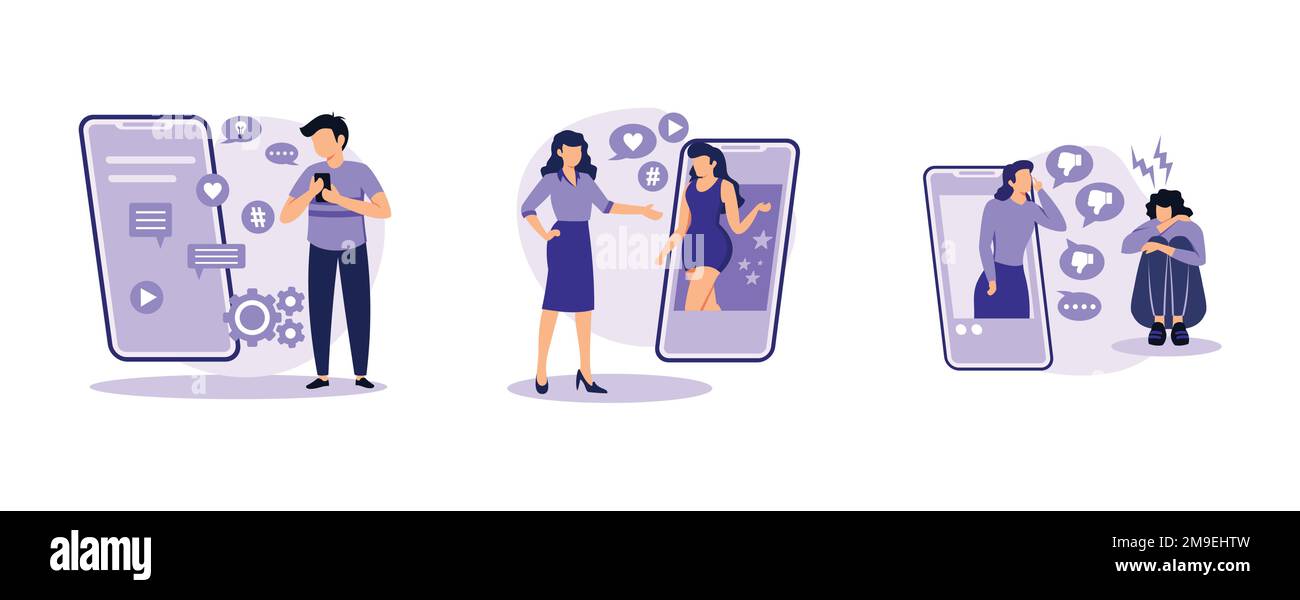
2. Ignoring Platform Culture A scripted, overly polished TikTok feels inauthentic. Audiences on TikTok expect raw, unfiltered moments—even when professionally produced.
3. Skipping the SEO Layer Many celebrity videos lack optimized titles, descriptions, or transcripts. That means missing long-tail search traffic like “why did [celebrity] leave [show]” or “what happened between [celebrity A] and [celebrity B].”
4. Underestimating Backlash Speed A poorly timed post can backfire instantly. When a reality star dropped a defensive video during a sensitive news cycle, it was criticized as tone-deaf. The clip was pulled within hours—but not before screenshots spread on Twitter.
5. No Engagement Plan Posting isn’t engaging. Teams that don’t respond to comments, quote-tweet fans, or acknowledge critiques appear detached.
The best campaigns treat cross-media not as a broadcast, but as a conversation.
The Future: AI, Personalization, and Immersive Storytelling
AI is accelerating cross-media workflows.
Tools now auto-generate: - Captions and subtitles in multiple languages - Clip highlights based on engagement heatmaps - Platform-specific thumbnails and titles - Short-form scripts from long-form interviews
But the human element remains irreplaceable. Audiences still crave authenticity. When actor Paul Mescal released a voice-note-style audio update about his next film, fans praised its “unfiltered honesty”—even though it was likely produced by his team.
Looking ahead, expect more: - Personalized video feeds: Fans choosing which angles or stories to follow - Immersive features: AR filters tied to celebrity announcements - Interactive commentaries: Choose-your-own-path interviews
The frontier isn’t just multiplatform—it’s multidimensional.
Master the Multiplatform Moment
Cross-media engagement in celebrity news isn’t a trend—it’s the operating system of modern fame. The most influential stories today aren’t told in one place. They unfold across screens, formats, and communities, guided by strategic vision and real-time feedback.
To compete, creators and teams must think like architects: designing narrative ecosystems, not isolated videos. Map your audience’s journey. Adapt your content ruthlessly. Measure beyond vanity metrics. And never underestimate the power of a fan with a phone and an edit.
Build not for one platform, but for all of them—simultaneously.
FAQ
What is cross-media engagement in celebrity news? It’s the coordinated use of multiple platforms—like YouTube, TikTok, podcasts, and news sites—to amplify a celebrity story, ensuring maximum reach and audience interaction.
Why are videos central to cross-media celebrity campaigns? Video is the most shareable and emotionally resonant format. It adapts well across platforms and dominates algorithmic recommendations.
How do PR teams maintain message consistency across platforms? They start with a core narrative, then adapt tone and length for each platform while preserving key facts and emotional intent.
Can small creators use cross-media strategies effectively? Yes. Even with limited resources, creators can repurpose one video into clips, quotes, and audio snippets tailored to different audiences.
What role do algorithms play in cross-media success? Algorithms prioritize content with broad engagement. When a video gains traction on multiple platforms, it signals relevance, boosting visibility everywhere.
How do fan-made videos impact official celebrity news? They can accelerate reach and shape public sentiment. Official teams often monitor and sometimes incorporate fan content into their strategy.
What tools help manage cross-media campaigns? Tools like Hootsuite, Later, Canva, Descript, and Google Analytics help schedule, edit, and measure multiplatform content performance.
FAQ
What should you look for in How Celebrities Dominate Cross-Media News Engagement? Focus on relevance, practical value, and how well the solution matches real user intent.
Is How Celebrities Dominate Cross-Media News Engagement suitable for beginners? That depends on the workflow, but a clear step-by-step approach usually makes it easier to start.
How do you compare options around How Celebrities Dominate Cross-Media News Engagement? Compare features, trust signals, limitations, pricing, and ease of implementation.
What mistakes should you avoid? Avoid generic choices, weak validation, and decisions based only on marketing claims.
What is the next best step? Shortlist the most relevant options, validate them quickly, and refine from real-world results.